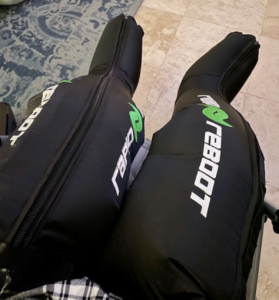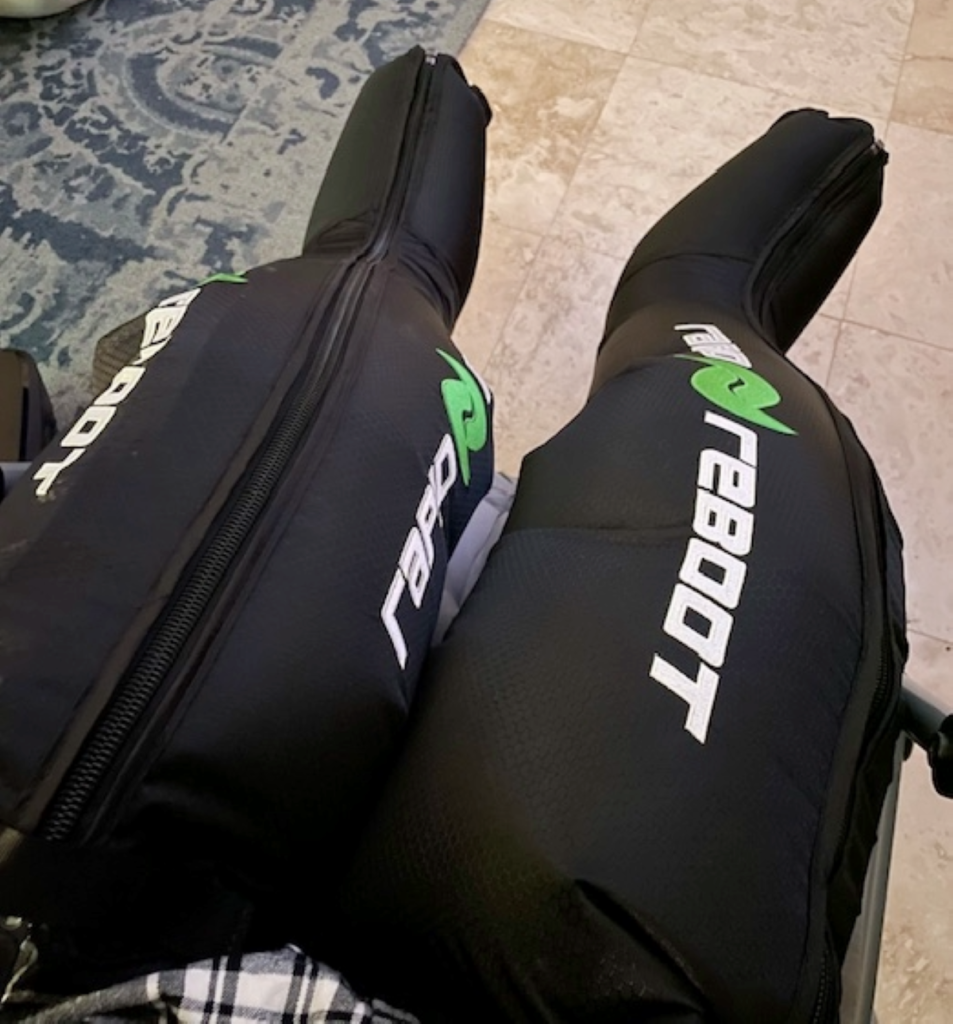
For athletes pushing their limits in the beautiful surroundings of Lake Conroe, effective recovery is just as crucial as the training itself. When it comes to optimizing post-race recuperation, Compression Lake Conroe therapy stands out as a highly effective modality for marathon runners. At LifeRx Wellness, we understand the demands placed on your body, especially after an intense event like a marathon. Our recovery studio in Willis is dedicated to providing cutting-edge solutions to help you bounce back faster, stronger, and ready for your next challenge. Compression therapy, a cornerstone of modern athletic recovery, offers a myriad of benefits that can significantly impact your post-marathon experience.
Understanding Compression Therapy for Athletes in Willis and Conroe
Compression therapy involves applying controlled pressure to specific parts of the body, typically the limbs. This pressure helps to improve blood flow, reduce swelling, and accelerate the removal of metabolic waste products that accumulate during strenuous exercise. For marathon runners, who subject their leg muscles to repetitive, high-impact stress over many hours, this can be incredibly beneficial. The founders of LifeRx Wellness, a physical therapist and a registered nurse, have carefully selected modalities like compression therapy because of their evidence-based efficacy in supporting recovery and enhancing overall well-being for our community in Willis and Conroe.
How Compression Supports Muscle Recovery in Montgomery and New Waverly
After a marathon, your muscles are often filled with lactic acid and other metabolic byproducts, and microscopic tears in muscle fibers can lead to inflammation and soreness. Compression therapy works by gently yet firmly compressing the muscles, which aids in the venous return of blood to the heart. This enhanced circulation helps flush out waste products more efficiently and brings fresh, oxygenated blood and vital nutrients to the damaged tissues. For runners across Montgomery and New Waverly, incorporating compression into their post-race routine can mean a noticeable reduction in delayed onset muscle soreness (DOMS) and a quicker return to comfortable movement. It’s about optimizing the body’s natural healing processes.
The Science Behind Compression for Endurance Athletes Near Bentwater
The physiological mechanisms behind compression therapy are well-documented. By applying external pressure, compression garments or devices create a gradient that encourages fluid movement. This helps to prevent blood pooling in the extremities and reduces interstitial fluid buildup, which contributes to swelling and a feeling of heaviness in the legs. Research indicates that compression can positively influence muscle oxygenation and reduce markers of muscle damage post-exercise. For a deeper dive into the science, you can explore resources like Healthline’s overview of compression therapy, which details its various applications and benefits. Our clients in Bentwater and surrounding areas find that consistent use of compression therapy helps them feel lighter and more agile sooner after their runs.
Reducing Swelling and Inflammation for Runners in New Waverly and Lake Conroe
Swelling and inflammation are natural responses to the trauma endured during a marathon. While necessary for healing, excessive or prolonged inflammation can impede recovery and cause discomfort. Compression therapy effectively manages these symptoms by promoting lymphatic drainage and reducing the accumulation of fluid in the tissues. This not only alleviates pain but also helps maintain joint mobility, which is crucial for preventing stiffness and facilitating a smoother return to daily activities. Whether you’re training around Lake Conroe or participating in local races near New Waverly, minimizing post-race inflammation is key to a comfortable and efficient recovery.
Integrating Compression with Other Recovery Modalities in Willis
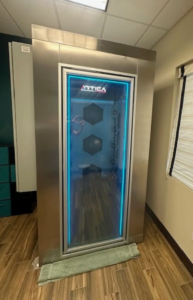
At LifeRx Wellness in Willis, we advocate for a holistic approach to recovery. While compression therapy is incredibly effective on its own, its benefits can be amplified when combined with other modalities. For instance, pairing compression with cryotherapy can create a powerful synergy. Cryotherapy, which involves exposure to extremely cold temperatures, further reduces inflammation and pain, while compression helps to circulate the benefits and clear out metabolic waste. Many of our clients find that alternating these therapies provides the most comprehensive relief and accelerates their overall recovery process. Learn more about how cryotherapy can complement your recovery journey by visiting our service page: Cryotherapy in Willis, TX.
Long-Term Benefits for Athletes in Conroe and Montgomery
Beyond immediate post-marathon recovery, regular use of compression therapy can offer long-term benefits for athletes. It can contribute to improved vascular health, better muscle function, and a reduced risk of certain types of injuries. By consistently supporting the body’s recovery mechanisms, athletes in Conroe and Montgomery can enhance their training adaptations, maintain peak performance, and extend their athletic careers. It’s an investment in your body’s longevity and ability to withstand the rigors of endurance sports.
Frequently Asked Questions (FAQ)
What is compression therapy?
Compression therapy involves applying controlled pressure to specific parts of the body, typically the legs, using specialized garments or devices to improve blood flow, reduce swelling, and aid in muscle recovery.
How does compression therapy help marathon runners?
For marathon runners, compression therapy helps by flushing out metabolic waste products like lactic acid, reducing muscle soreness and inflammation, and bringing fresh, oxygenated blood to fatigued muscles, thereby accelerating recovery.
When should I use compression therapy after a marathon?
It’s generally recommended to begin compression therapy as soon as possible after completing a marathon, and to continue for several hours or even days, depending on individual needs and the advice of a recovery specialist.
Can compression therapy prevent injuries?
While compression therapy primarily aids in recovery, by reducing muscle fatigue, soreness, and inflammation, it can indirectly contribute to injury prevention by helping muscles recover more effectively and maintaining their optimal function.
Is compression therapy suitable for everyone?
Most athletes can safely use compression therapy. However, individuals with certain medical conditions, such as severe peripheral artery disease or heart conditions, should consult with a healthcare professional before starting compression therapy.
How long does a typical compression therapy session last?
Session durations can vary but typically range from 15 to 30 minutes, depending on the specific device used and the individual’s recovery needs. Our team at LifeRx Wellness can help you determine the optimal session length.
Book Compression Therapy at LifeRx Wellness in Willis
10655 FM 1097 West, Willis, TX 77318. Serving Conroe, Lake Conroe, The Woodlands, and Montgomery County.
Book Compression Therapy on Mindbody
Call (936) 259-5009 to book by phone or to confirm today’s hours.